


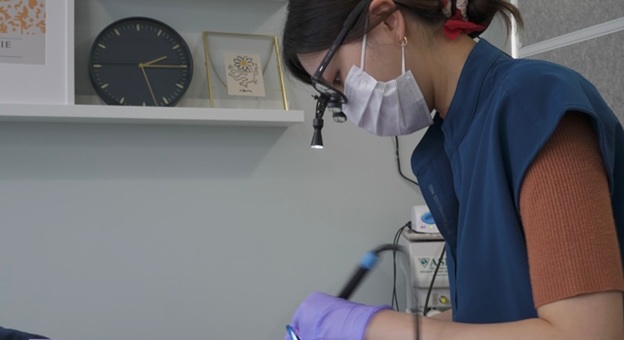
When I opened Simply Smile Studio in Burnaby, Canada, I did not see it as just a dental practice. I saw a space where care, connection, and community could coexist in the same room. Over time, I have watched our small team adapt to new challenges, listen closely to patients, and adjust how we work so that our clients and staff feel comfortable and supported.
I have also noticed changes happening across healthcare and small businesses more broadly. More women are stepping into ownership roles and shaping what leadership looks like in service industries like ours. Success is being defined less by size and more by trust, adaptability, and the strength of relationships with patients and teams.
Global Growth of Women-Owned Businesses
Women continue to start businesses at increasing rates around the world. According to the 2026 Impact of Women-Owned Businesses report, women own 15.7M businesses, representing 40.6% of all U.S. businesses in 2025. At the same time, recent research found that as of 2025, women-owned businesses represent 42% of all U.S. businesses, employing 9.4 million workers, and generating $1.9 trillion in annual revenues. Additionally, between 2019 and 2024, the number of women-owned businesses grew by 11.5%, surpassing the growth rate of men-owned businesses during the same period.
These numbers highlight an important change in how businesses are being built and led. In healthcare and other service-driven industries, women owners often place greater emphasis on employee, customer, and community relationships, communication, and long-term sustainability.
This article reflects what that shift looks like in practice and what other small business owners can learn from it, especially regarding building patient trust, leading teams, and creating businesses designed for long-term stability.
Small Practices Must Adapt Quickly
One of the biggest strengths of a small healthcare practice is the ability to adjust quickly. Patient needs change constantly. Expectations for communication and service are higher than ever. In a smaller organization, it is often easier to listen to feedback and make meaningful adjustments.
For my team, that might mean revising how we schedule appointments, improving how we follow up with patients, or adjusting processes so visits feel as easy and relaxing as possible. Small changes can make a meaningful difference in how people experience care.
Research shows that this kind of responsiveness matters. According to the NRC Health 2023 Patient Experience survey, 78% of patients say clear communication and follow-up are key factors in choosing and staying with a healthcare provider. For small businesses, this is an important reminder. The ability to respond quickly and thoughtfully is often one of our biggest competitive advantages.
Care Is Both Clinical and Personal
Healthcare will always depend on expertise and training. But patient experience is also shaped by something less technical. It is shaped by how people feel when they walk through the door. Patients arrive with concerns, questions, and sometimes anxiety. When a practice takes the time to explain procedures clearly, listen to concerns, and create a calm environment, it changes the entire care experience.
My commitment to community service has always guided my approach to leadership. Through volunteer work and partnerships with organizations like Gift from the Heart and Mom2Mom for single mothers, I’ve reinforced my clinic’s purpose of care, compassion, and accessibility. As a female entrepreneur, the challenges that single mothers face every day to provide better care for their children by addressing their needs particularly inspired me.
I reached out to the local single moms’ group to provide personalized dental hygiene care and oral health education for single mothers and their children, increasing access to healthcare services and enhancing their quality of life. These community efforts not only supported those in need but also helped distinguish my clinic as a trusted local resource. This is something all business owners can replicate by focusing on exceptional patient outcomes, community engagement, and a brand rooted in service to build trust among both clients and referral partners.
Women Leaders Often Lead From Lived Experience
Running a small business requires wearing many hats. For many women owners, that includes balancing leadership responsibilities with family, community involvement, and other personal commitments. Those varying experiences often shape how decisions are made throughout the organization. There is often a stronger focus on flexibility, communication, and long-term stability rather than short-term growth.
Despite progress, women-owned businesses still face barriers, particularly when it comes to funding. A 2024 report from the World Bank’s Women, Business and the Law program found that women entrepreneurs continue to face gaps in access to capital and financial resources. Yet women-owned businesses continue to grow and contribute significantly to local economies. This resilience is part of what makes women-led small businesses so impactful in sectors like healthcare.
These insights often shape how women entrepreneurs think about building for the future. Instead of pursuing growth for its own sake, there is a stronger emphasis on creating solid foundations and community. This mindset supports steady, reliable progress over time. It also highlights that growth can take different forms.
Growth Does Not Always Mean Expansion
When people talk about growth, they often think about rapid expansion. For many small business owners, growth can look different. It means building systems that make the business stronger and more consistent or investing in tools that allow teams to spend more time with patients and less time managing paperwork or outdated processes. This is where technology can play an important role.
Programs that support small businesses with access to tools and infrastructure can make it easier for independent practices to operate efficiently while maintaining a personal approach to care. Programs like Lenovo’s Evolve Small initiative, for example, focus on helping small businesses strengthen their operations through technology and resources. For practices like mine, the goal is simple. Use the right tools to support the human side of care rather than replace it.
I’m always looking for opportunities to grow and improve my business, so I applied for the Evolve Small contest. I strongly believe in putting yourself and your business forward for new opportunities because you never know how far it could take you. Being selected as one of the winners has further amplified awareness of my business as well as the potential of dental hygiene clinics to increase access to care for marginalized populations. Key milestones like this reflect how much growth can come when you try something new.
The Takeaway for Small Business Leaders
For my fellow small business owners, especially those in healthcare or service industries, I wanted to share a few clear lessons:
- First, relationships and community impact matter more than scale. Patients and customers remember how they are treated.
- Second, small businesses have an advantage when it comes to listening and adapting. Use that flexibility.
- Finally, leadership grounded in empathy, communication, and consistency can create stronger teams and more loyal customers.
The growing number of women entrepreneurs shows that there is more than one way to build a successful business. Sometimes the most sustainable approach is also the most human one.
Suji Kang is the Founder, CEO, and Owner of Simply Smile Dental Studio. She was recently a recipient of a Lenovo Evolve Small grant. Kang uses empathy, diversity, and AI-driven technology to make dental care more inclusive.