


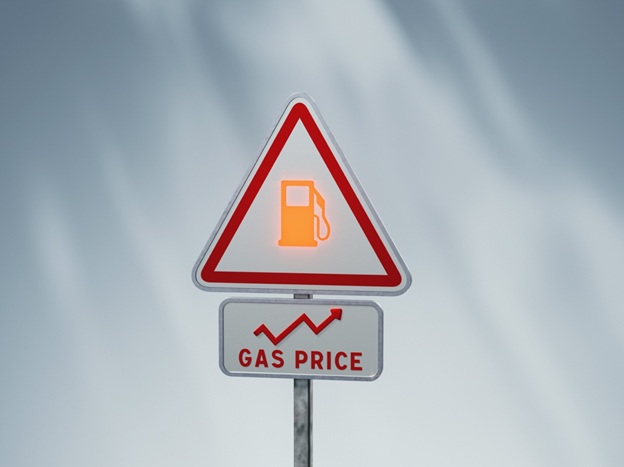
Fuel prices are climbing again, and if you run a small business, you’ve probably been feeling it. What surprises many owners is that the hit rarely shows up directly at the pump; it pops up weeks later in a supplier’s invoice, a freight surcharge, or a quiet bump in the cost of the materials you order every month.
When fuel costs rise, every business owner is choosing among three levers: absorb the cost, pass it on to customers, or cut somewhere else. Businesses that handle this well make deliberate choices instead of letting pressure decide for them.
It’s Not Just a Transportation Problem
Fleets, delivery services, and those who depend on freight are directly impacted by fuel costs, which are a direct piece of the cost of goods sold and move the bottom line the moment prices change.
But this is where many owners get caught off guard. If you run a professional services firm or a restaurant, you might assume rising fuel costs are somebody else’s problem. Let’s dig deeper: a dental practice pays it in supply deliveries. A gym pays it when the equipment tech drives out for a service call. An accounting firm pays it in courier runs and paper stock. Your vendors and delivery partners all carry that cost, and they pass it along eventually. It reaches you with a lag, buried inside a slightly higher invoice rather than a number on a gas station sign.
You don’t want to notice your business’s fuel-sensitivity after it’s too late. Get ahead of it by running cash flow exercises with your banker or accountant to give yourself a leg up. Don’t have a rough month because you have been caught off guard.
The Three Levers Owners Are Pulling
Absorbing the cost. Maybe you can eat the increase, at least for a while. That is typically a choice made for the customer relationship, not the spreadsheet. If you serve a price-sensitive customer base or otherwise compete on price, raising your rates can cost you more in lost business than rising COGS ever would. If you choose this path, don’t follow it blindly. Think about what your customers are willing to pay. The risk in absorbing the cost is letting a temporary decision quietly become permanent margin erosion.
Passing it on. Owners with pricing power can pass costs through more quickly, but the customer conversation depends on when the price changes. If someone is making a new purchase, they can decide whether the price still works for them. A restaurant that raises delivery fees, for example, gives customers that choice upfront. It is different when a customer is already mid-project. A landscaper adding a fuel surcharge for crews traveling farther, or a contractor updating an estimate when material freight costs jump, needs to explain the change clearly and early. Customers will usually accept a modest adjustment. What they do not accept is finding out later that the price changed significantly without warning.
Cutting elsewhere. This is often the quietest lever, which is why owners should be careful with it. Cutting costs can be healthy when it exposes waste or forces a sharper look at how the business runs. The risk is when those cuts come out of the investments that create tomorrow’s revenue. A dental practice may delay hiring another hygienist. A boutique may scale back a fall campaign. A caterer may keep the old van another year instead of replacing equipment that would make the team faster and more reliable. None of those moves are necessarily wrong. In fact, they may be the right call for a season. But owners should name the tradeoff clearly: these are not just expenses being deferred. They are growth decisions being pushed into the future.
Protecting Cash Flow Without Waiting for Prices To Settle
You cannot control the price of diesel, but you hold the reins on your cash flow. Vendor terms are the first place to look. Owners got good at this during the tariff run-up, and the same conversations work here: ask for a longer payment window, lock pricing where a supplier will commit to it, or consolidate orders so fewer trips are built into what you pay. Most suppliers are absorbing the same pressure you are, and they would rather adjust terms than lose a reliable account.
The most useful habit I see is simple: know which of your costs move with fuel, even the ones that don’t look like it. Pull your three or four largest recurring invoices and compare them to a year ago. If a line moved and nobody flagged it, you’ve found your exposure. Owners who know where they’re sensitive can plan farther in advance.
If you don’t know where to start, work with the data you already have. Run a year-over-year vendor spend comparison in your accounting software, then sort by the largest change, not the largest total. That is where quiet increases tend to hide. Your business card and account activity can help fill in the picture, since those payments are often already categorized. An AI tool can also be a resource — ask it what information to pull and what exposures to look for. Finally, meet with your banker, financial advisor, or accountant and have them dig into the data with you.
Planning Through The Rest of 2026
I would be skeptical of anyone who claims they can see the future of gas prices. Instead of guessing about tomorrow, prepare for a range of outcomes and put contingency plans in place. Ask yourself: What will my business look like if fuel costs stay elevated through year-end? What if prices ease? Is it smooth sailing if nothing changes? If you have a plan for all scenarios, you won’t be caught flat.
More owners are moving to quarterly checkpoints instead of setting a budget in January and hoping it holds. That rhythm makes it easier to adjust in small, steady increments rather than lurching from one reaction to the next.
In the end, rising fuel costs are a stress test. The owners who come out ahead aren’t the ones who guessed right on the timing. They are the ones who chose their levers on purpose and pulled them in a disciplined manner, instead of reacting in real time.
Mark Valentino is Head of Business Banking at Citizens. Citizens