


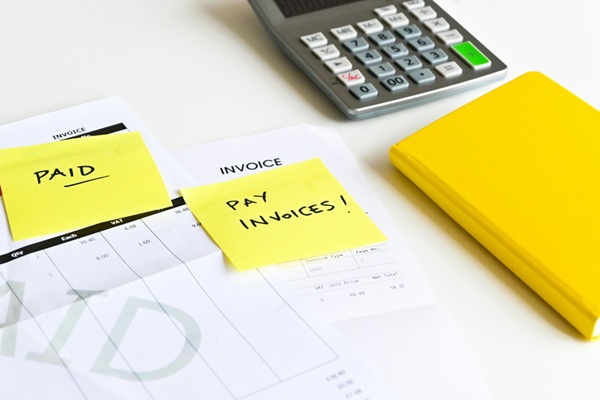
You open your phone between jobs, and there it is again: a vendor PDF in your inbox. A delivery ticket arrives as a photo. A supplier statement follows, with a balance you thought you had already paid.
For a small business owner, this can be the beginning of accounts payable: a series of messages that someone eventually has to turn into reliable records.
A contractor forwards invoices from the truck. A restaurant owner photographs a receipt after a delivery. An agency receives freelance invoices alongside subscription notices. The documents arrive throughout the workday, often when the person who understands the purchase has little time to deal with the paperwork.
You probably did not choose this arrangement in a meeting. Your vendors already send documents by email, your bookkeeper accepts them, and you can forward something from almost anywhere. Over time, those small conveniences become the way the business operates.
The challenge is making sure the information survives the trip.
Why the Inbox Keeps Its Place
Email asks very little of the sender. A supplier can attach an invoice without learning a customer’s software. An owner can add a sentence about the purchase and pass it along. Neither person needs to wait until they are sitting at a desk.
A purchasing platform or vendor portal can improve parts of that process. But introducing one does not automatically change how every local supplier, freelancer, and employee sends documents. Unless someone plans for those exceptions, the owner ends up checking both the new system and the old inbox.
That is a useful distinction when evaluating another finance tool. A new place to work may be worthwhile if it reduces the effort required to finish the job. It is less helpful if the business still has to gather the same documents, answer the same questions, and maintain a separate list of what remains unresolved.
Before replacing email, follow what happens to one bill after it arrives.
Where the Handoff Starts to Unravel
Imagine a restaurant owner receives an invoice after a morning delivery. Two items were missing, and the supplier has agreed to issue a credit. The owner forwards the invoice to the bookkeeper, intending to explain the adjustment later.
By the time the bookkeeper opens it, the owner is busy with something else. The invoice shows the full amount. The credit is still pending. A short exchange becomes several messages about what arrived, what should be paid, and whether the supplier has responded.
Nothing on the invoice tells the whole story.
The owner knows what happened during the delivery. The bookkeeper knows what is needed to record the purchase. The supplier controls the missing credit. Without a place to keep those pieces together, each person is working from a different stage of the transaction.
This can happen even when the owner handles the books personally. Knowing something on Tuesday does not guarantee remembering it when reviewing bills on Sunday.
Forwarding the document moves the attachment. It does not necessarily transfer the explanation, establish approval, or tell the next person what still needs attention.
The Cost You Feel On Sunday Night
The result is uncertainty about what the business owes and when it should pay.
An invoice waiting on clarification may disappear from view. A supplier’s reminder may prompt another search through the inbox. The owner opens the bank account to decide whether there is room for a purchase, then realizes the balance doesn’t show which bills are still coming due.
SCORE’s 12-month cash flow statement template helps organize expected money coming in and going out. That planning becomes more useful when the underlying bill information is complete: amounts, due dates, payments already made, and outstanding adjustments.
Recordkeeping matters for the same reason. The IRS explains that business records should clearly show income and expenses, and that supporting documents contain information needed for the books. Preserving those documents alongside the explanation of a purchase makes it easier to understand an entry later.
For the owner, the immediate benefit is practical. Sunday evening can be spent reviewing decisions rather than reconstructing a week of conversations.
5 Questions Before Adding Another Finance Tool
Use an ordinary invoice and one with a complication to test the proposed process. A clean sample alone will not show what happens when a credit is missing or someone disputes a charge.
Can It Handle The Ways Our Bills Actually Arrive?
Check emailed PDFs, receipt photos, forwarded messages, and documents downloaded from supplier portals. Ask who collects each one and what they must do next. Keeping familiar intake methods is useful only if those documents reliably reach the person responsible for processing them.
Can We See the Document and Its Current Status Together?
The person reviewing a bill should be able to find the original, relevant notes, and what remains unresolved. In the restaurant example, the pending credit should stay visible with the invoice. It should not depend on someone remembering a separate conversation.
Will It Keep Our Accounting Records Consistent?
A separate system for preparing or approving bills can be useful. The question is how it stays aligned with the accounting software. Ask what happens when an amount changes, a credit arrives, or a payment is recorded elsewhere. Someone should be able to explain how discrepancies are identified and resolved.
What Requires Our Judgment, And What Can The System Handle?
Reading an invoice amount is different from knowing whether a delivery was complete. Ask which details the tool captures, which checks it performs, and how it handles uncertainty. Approval and payment authority should remain explicit, even when routine preparation is automated.
Who Takes Responsibility When a Bill Cannot Move Forward?
A flagged issue still needs someone to resolve it. Decide who contacts the supplier, who confirms the purchase, and who follows up if an answer doesn’t arrive. The owner should be able to see what is waiting without opening every email thread.
Start With the Next Bill
You can use these questions before buying anything.
For the next week, keep track of the invoices that require follow-up. Note the missing information, who can supply it, and where the answer ends up. Then address the most frequent gap with a simple rule everyone involved understands.
For a restaurant, that might mean recording delivery discrepancies when the invoice is forwarded and assigning one person to follow the credit through to resolution. Another business may need a consistent project name or a clearer approval step.
Those changes give you a better basis for choosing software because you know which work it needs to support.
Bills may continue to arrive in email. What should change is how much unfinished work travels with them. When each invoice has the context, status, and ownership it needs, the next person can act on it without asking the owner to tell the story all over again.
Zachary Stefansson and Parker Bussey are co-founders of APStack, a South Florida company developing accounts payable software for small businesses and accounting firms. Stefansson works in accounting, and together they focus on how invoices, receipts, and purchasing information move from everyday business conversations into accurate accounting records.